# Turkish Cuisine: A Complete Guide to Traditional Turkish Food, Kebabs, Olive Oil Dishes, Regional Specialties, Desserts, and Culinary Culture
# Turkish Cuisine: Discover the Rich Flavors of Türkiye
Turkish cuisine is one of the world's oldest, richest, and most diverse culinary traditions. With thousands of years of history, it combines influences from Central Asia, the Middle East, the Mediterranean, the Balkans, the Caucasus, and Anatolia. Every region of Türkiye offers unique recipes, cooking techniques, and local ingredients that make Turkish food famous worldwide.
From juicy kebabs and healthy olive oil dishes to delicious street food, seafood, homemade soups, fresh salads, traditional breakfasts, and irresistible desserts, Turkish cuisine provides unforgettable experiences for every food lover.
Whether you're planning a trip to Türkiye or simply looking to explore authentic Turkish recipes, this comprehensive guide covers everything you need to know about Turkish food.
---
# The History of Turkish Cuisine
Turkish cuisine evolved over centuries, beginning with the nomadic Turkic tribes of Central Asia. As they migrated into Anatolia, they combined their cooking traditions with those of the Byzantine Empire, Persian civilization, Arab culture, and later the Ottoman Empire.
The Ottoman Palace Kitchens played a major role in shaping modern Turkish cuisine. Palace chefs developed hundreds of sophisticated recipes using fresh vegetables, herbs, spices, meats, seafood, grains, nuts, fruits, and dairy products.
Today, Turkish cuisine continues this rich tradition while preserving regional specialties that have been passed down through generations.
---
# Why Turkish Cuisine Is So Popular
Turkish food is loved around the world because it offers:
* Fresh seasonal ingredients
* Healthy Mediterranean cooking
* Rich flavors without excessive spices
* High-quality olive oil
* Fresh herbs
* Grilled meats
* Homemade bread
* Diverse vegetarian options
* Delicious desserts
* Affordable meals
* Traditional hospitality
Turkish meals are more than just food—they represent family, friendship, hospitality, and culture.
---
# Turkish Breakfast (Kahvaltı)
A traditional Turkish breakfast is considered one of the best breakfasts in the world.
Typical breakfast includes:
* Fresh white cheese
* Aged cheese varieties
* Olives
* Tomatoes
* Cucumbers
* Honey
* Clotted cream (Kaymak)
* Homemade jams
* Butter
* Eggs
* Menemen
* Sucuk with eggs
* Simit
* Fresh village bread
* Pastries
* Tea
Breakfast is usually enjoyed slowly with family and friends.
---
# Famous Turkish Kebabs
Kebabs are among the most recognized Turkish dishes worldwide.
## Adana Kebab
Prepared with spicy minced lamb grilled over charcoal.
## Urfa Kebab
A milder version of Adana Kebab with rich meat flavor.
## İskender Kebab
Thinly sliced döner served over pita bread with tomato sauce, yogurt, and melted butter.
## Cağ Kebab
Originating from Eastern Anatolia, Cağ Kebab consists of horizontally roasted lamb served on skewers.
## Testi Kebab
Cooked inside a sealed clay pot, this specialty from Cappadocia creates incredibly tender meat.
## Beyti Kebab
Grilled minced meat wrapped in lavash bread and topped with yogurt and tomato sauce.
## Ali Nazik Kebab
Grilled lamb served over smoked eggplant puree mixed with yogurt.
## Patlıcan Kebab
Alternating eggplant slices and seasoned meat grilled together.
## Orman Kebab
A slow-cooked meat stew with potatoes, carrots, and vegetables.
## Döner Kebab
Perhaps Türkiye's most internationally famous dish, döner consists of vertically roasted meat sliced into sandwiches, wraps, or plated meals.
---
# Olive Oil Dishes (Zeytinyağlılar)
Olive oil dishes are a cornerstone of Turkish cuisine, especially along the Aegean and Mediterranean coasts.
Popular dishes include:
## Stuffed Grape Leaves (Yaprak Sarma)
Rice, herbs, pine nuts, and currants wrapped in vine leaves.
## Stuffed Peppers (Biber Dolması)
Bell peppers filled with aromatic rice.
## Green Beans in Olive Oil
Fresh green beans slowly cooked with tomatoes and onions.
## Artichokes
Fresh artichokes cooked with vegetables and olive oil.
## Stuffed Eggplant
Eggplants filled with vegetables and herbs.
## Celery Root
Cooked with carrots, potatoes, and orange juice.
## Barbunya Pilaki
Borlotti beans prepared in olive oil with vegetables.
These dishes are usually served cold and are highly nutritious.
---
# Turkish Soups
Soup is served almost every day in Turkish homes.
Popular soups include:
* Lentil Soup (Mercimek Çorbası)
* Yogurt Soup (Yayla Çorbası)
* Tarhana Soup
* Chicken Soup
* Tripe Soup
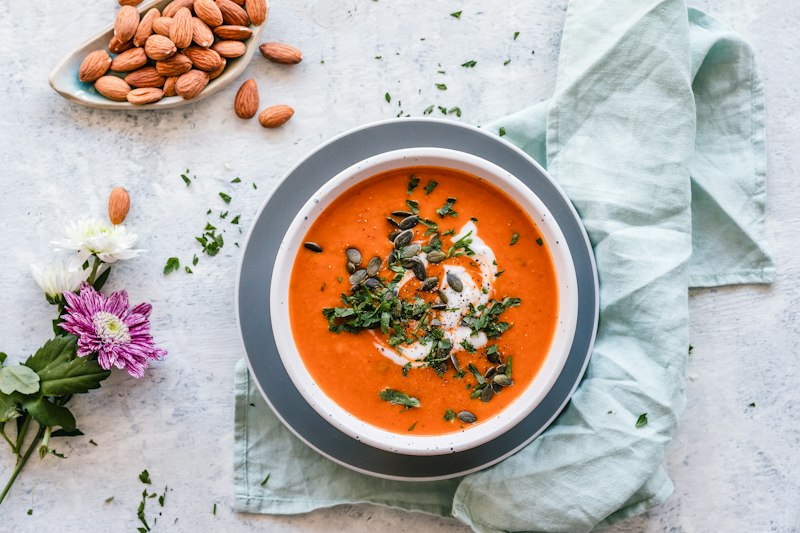
* Tomato Soup
* Wedding Soup
* Ezogelin Soup
* Fish Soup
---
# Turkish Street Food
Street food is an essential part of Turkish culture.
Favorites include:
* Simit
* Kokoreç
* Midye Dolma
* Balık Ekmek
* Kumpir
* Tantuni
* Döner Sandwich
* Lahmacun
* Pide
* Toast (Tost)
* Roasted Chestnuts
* Corn on the Cob
---
# Regional Turkish Cuisine
## Aegean Cuisine
Known for:
* Olive oil dishes
* Herbs
* Seafood
* Fresh vegetables
* Artichokes
* Wild greens
## Black Sea Cuisine
Famous for:
* Anchovy dishes
* Cornbread
* Kuymak
* Kale soup
* Rice dishes
## Southeastern Anatolia
Known for:
* Rich kebabs
* Baklava
* Spices
* Pistachios
* Lahmacun
* Stuffed vegetables
## Central Anatolia
Home to:
* Etli Ekmek
* Mantı
* Testi Kebab
* Wheat dishes
## Eastern Anatolia
Specialties include:
* Cağ Kebab
* Goose dishes
* Grilled meats
* Local cheeses
## Mediterranean Region
Offers:
* Citrus fruits
* Fresh seafood
* Olive oil dishes
* Herbs
* Grilled fish
---
# Turkish Seafood
Although famous for meat dishes, Türkiye also has exceptional seafood.
Popular choices include:
* Sea Bass
* Sea Bream
* Anchovy
* Red Mullet
* Bluefish
* Mussels
* Octopus
* Shrimp
* Squid
Seafood is commonly grilled or lightly fried.
---
# Turkish Mezes
Mezes are small appetizer plates shared before the main meal.
Popular mezes:
* Haydari
* Cacık
* Hummus
* Muhammara
* Eggplant Salad
* Acılı Ezme
* Fava
* Stuffed Mussels
* Yogurt with Herbs
---
# Famous Turkish Breads
Bread is essential in every Turkish meal.
Popular varieties:
* Pide
* Lavaş
* Bazlama
* Yufka
* Village Bread
* Ramazan Pidesi
* Simit
---
# Turkish Pastries
Traditional pastries include:
* Börek
* Su Böreği
* Sigara Böreği
* Kol Böreği
* Gözleme
* Katmer
---
# Turkish Rice and Grain Dishes
Rice and bulgur accompany many meals.
Popular dishes:
* Butter Rice Pilaf
* Bulgur Pilaf
* İç Pilav
* Vegetable Rice
* Chickpea Rice
---
# Turkish Meat Dishes
Besides kebabs, Turkish cuisine features:
* Meatballs (Köfte)
* Lamb Stew
* Beef Stew
* Stuffed Meat Rolls
* Lamb Tandoori
* Roasted Lamb
* Chicken Casserole
---
# Turkish Vegetarian Food
Vegetarians can enjoy:
* Lentil Patties
* Imam Bayıldı
* Stuffed Vegetables
* Green Bean Stew
* Chickpea Stew
* Spinach with Yogurt
* Bulgur Salads
* Herb Dishes
---
# Turkish Desserts
Turkish desserts are famous worldwide.
## Baklava
Layers of thin pastry filled with pistachios or walnuts.
## Künefe
Crispy shredded pastry with melted cheese and syrup.
## Sütlaç
Traditional baked rice pudding.
## Kazandibi
Caramelized milk pudding.
## Tavuk Göğsü
A unique Ottoman milk dessert.
## Lokum
Turkish Delight comes in countless flavors.
## Revani
Semolina cake soaked in syrup.
## Şekerpare
Soft semolina cookies in syrup.
## Tulumba
Deep-fried dough soaked in syrup.
## Aşure
A nutritious dessert made from grains, legumes, dried fruits, and nuts.
---
# Turkish Beverages
Traditional drinks include:
* Turkish Tea
* Turkish Coffee
* Ayran
* Şalgam
* Boza
* Salep
* Fresh Fruit Juices
* Herbal Teas
---
# Turkish Spices and Herbs
Essential seasonings include:
* Sumac
* Mint
* Oregano
* Thyme
* Red Pepper Flakes
* Black Pepper
* Cumin
* Cinnamon
* Bay Leaves
* Parsley
* Dill
---
# Seasonal Turkish Cuisine
Spring brings fresh herbs and artichokes.
Summer offers tomatoes, peppers, eggplants, zucchini, melons, and fresh seafood.
Autumn is rich in mushrooms, pumpkins, grapes, figs, and olives.
Winter features soups, stews, legumes, cabbage dishes, and hearty casseroles.
---
# Turkish Hospitality and Dining Culture
Sharing food is one of the most important aspects of Turkish culture. Meals are enjoyed together with family and guests, often accompanied by long conversations and generous hospitality. It is common to offer tea after meals and serve desserts during celebrations and special occasions.
---
# Healthy Aspects of Turkish Cuisine
Many nutrition experts consider Turkish cuisine one of the healthiest in the world because it emphasizes:
* Fresh vegetables
* Olive oil
* Lean meats
* Legumes
* Whole grains
* Yogurt
* Fish
* Herbs
* Seasonal produce
* Homemade cooking
This balanced approach reflects many principles of the Mediterranean diet.
---
# Best Turkish Foods Every Visitor Should Try
If you're visiting Türkiye, don't miss these iconic dishes:
* Adana Kebab
* İskender Kebab
* Döner Kebab
* Cağ Kebab
* Lahmacun
* Pide
* Mantı
* Menemen
* Gözleme
* Yaprak Sarma
* Imam Bayıldı
* Mercimek Soup
* Kokoreç
* Midye Dolma
* Baklava
* Künefe
* Lokum
* Turkish Tea
* Turkish Coffee
* Ayran
---
# Conclusion
Turkish cuisine is far more than kebabs and baklava. It is a remarkable culinary heritage shaped by thousands of years of history, diverse regional traditions, and a deep appreciation for fresh, natural ingredients. From the olive oil dishes of the Aegean coast and the spicy kebabs of Southeastern Anatolia to the seafood of the Mediterranean, the hearty specialties of Central Anatolia, and the sweet delights of Ottoman desserts, every region contributes unique flavors to Türkiye's gastronomic identity.
Whether you are enjoying a leisurely Turkish breakfast, sharing an assortment of mezes with friends, savoring a perfectly grilled kebab, or ending your meal with a cup of authentic Turkish coffee and a piece of baklava, every bite reflects the warmth, hospitality, and cultural richness of Türkiye.
Exploring Turkish cuisine is not just about tasting delicious food—it's about experiencing centuries of tradition, regional diversity, and one of the world's greatest culinary cultures. No matter where your culinary journey begins, Turkish food promises unforgettable flavors that will inspire you to return for more.